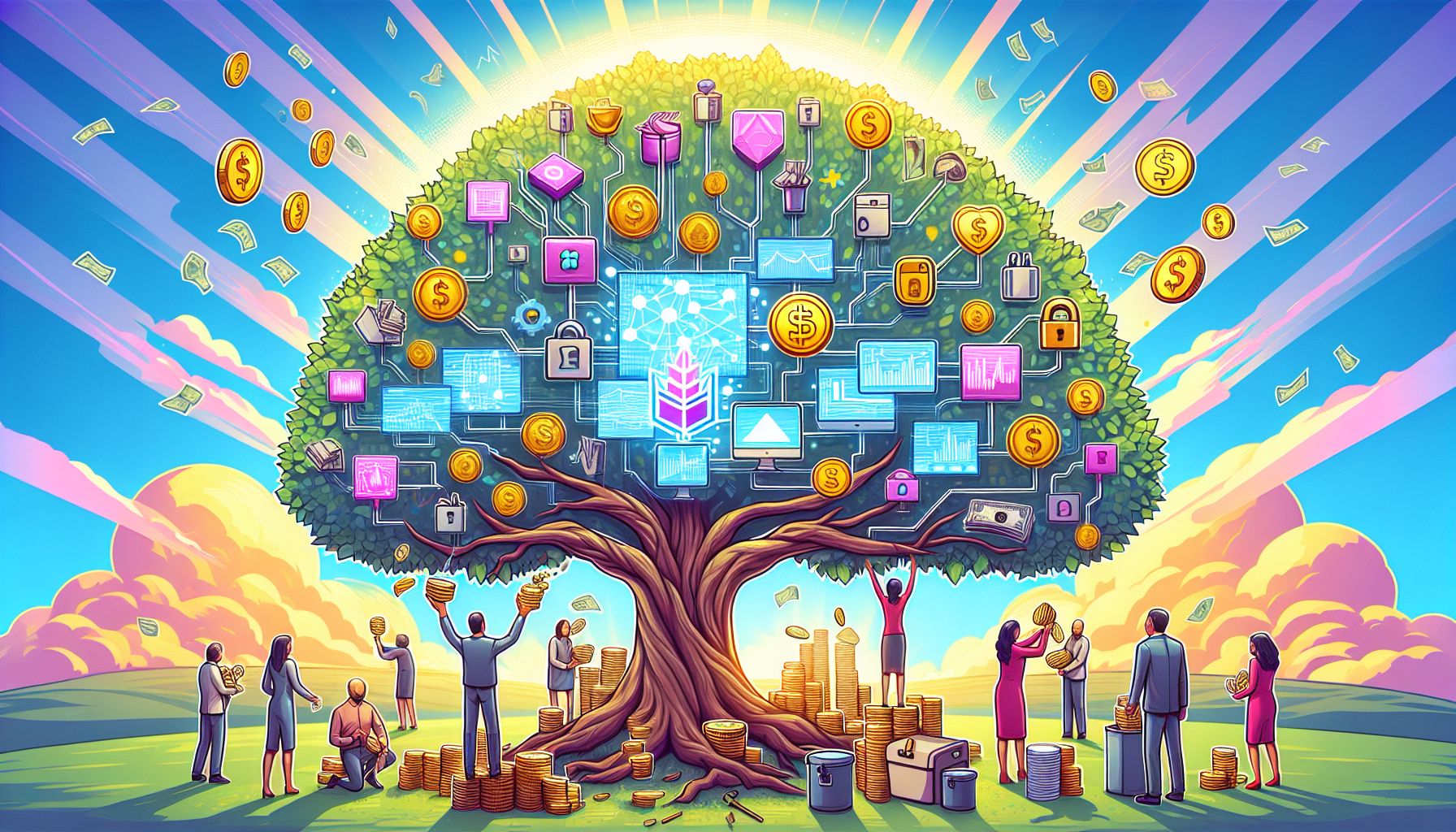

Unleashing Financial Freedom: The Rise of Decentralized Finance (DeFi)
In the ever-evolving landscape of finance, a new paradigm is briskly taking center stage—Decentralized Finance, or DeFi. This burgeoning sector promises to redefine the way we interact with money, shifting control from traditional financial powerhouses to the hands of the people. DeFi has the potential not only to democratize finance but also to enhance its efficiency and accessibility.
Introduction
At the heart of the DeFi movement is the ethos of decentralization. Built upon blockchain technology, DeFi applications offer financial services without the need for centralized intermediaries such as banks, brokers, or insurance companies. It operates on the premise that everything from lending and borrowing to asset trading and risk management can be done securely and transparently on a peer-to-peer basis.
Body
The Components of DeFi
DeFi is comprised of a series of smart contracts, decentralized applications (dApps), and protocols. The beauty of these components is their interoperability. They are designed to integrate seamlessly, creating a modular financial ecosystem where users can mix and match services to meet their needs.
Lending and Borrowing
One of the most popular facets of DeFi is that it enables users to lend or borrow funds without an intermediary. Through DeFi platforms like Aave and Compound, individuals can earn interest on their cryptocurrency holdings or take out loans against their crypto assets.
Decentralized Exchanges
Decentralized exchanges (DEXs) such as Uniswap and SushiSwap have also revolutionized how we trade cryptocurrencies. These platforms allow users to trade directly with one another, bypassing traditional exchanges, reducing fees, and mitigating the risk of centralized exchange hacks.
Governance Tokens
The governance aspect is another unique attribute of DeFi. Many DeFi projects issue governance tokens, giving holders the right to vote on decisions affecting the future of the protocol. This token-based governance empowers users with a say in the protocol’s upgrades and changes, aligning the incentives of developers and users.
Summary
DeFi’s rapid growth is a testament to the demand for more open and equitable financial systems. With over $40 billion locked in DeFi protocols, the sector is drawing significant attention from investors and users alike. As the technology matures, we can expect to see even more innovative services that streamline financial processes and empower users.
The outlook for DeFi is not without challenges, including regulatory uncertainty and the need for improved user education and security measures. However, the potential rewards of a more inclusive, efficient, and democratic financial system seem well worth the effort. As the world of finance stands on the cusp of transformation, DeFi continues to hold the torch of financial innovation and liberation.