Unleashing Financial Freedom: The Revolutionary Impact of DeFi
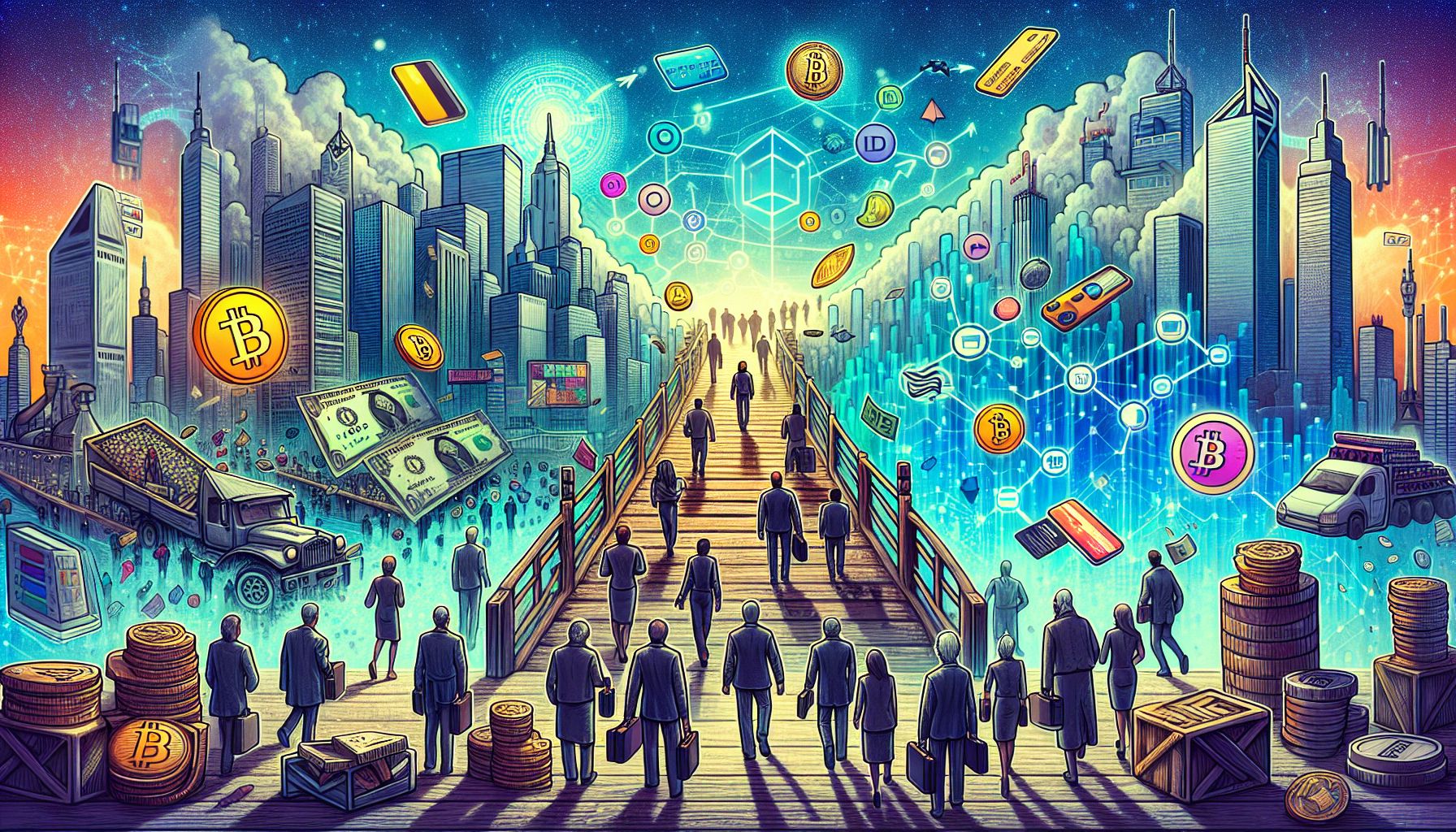
DeFi, short for Decentralized Finance, is no less than a financial uprising in the making. This burgeoning ecosystem operates on the backbone of blockchain technology, aiming to democratize the financial landscape by cutting out traditional middlemen like banks and brokers. In this exploration of DeFi, we venture into its core features, potential impacts, and the promise it holds for the future of finance.
Introduction:
The financial world is witnessing a radical transformation, thanks to the ever-evolving technological advancements. Topping this innovation list is DeFi. It brings forth an ecosystem where users can engage in financial activities directly and securely, without the oversight of centralized institutions. DeFi encompasses a broad spectrum of financial tools and products, including lending, borrowing, trading, investment, and risk management.
Body:
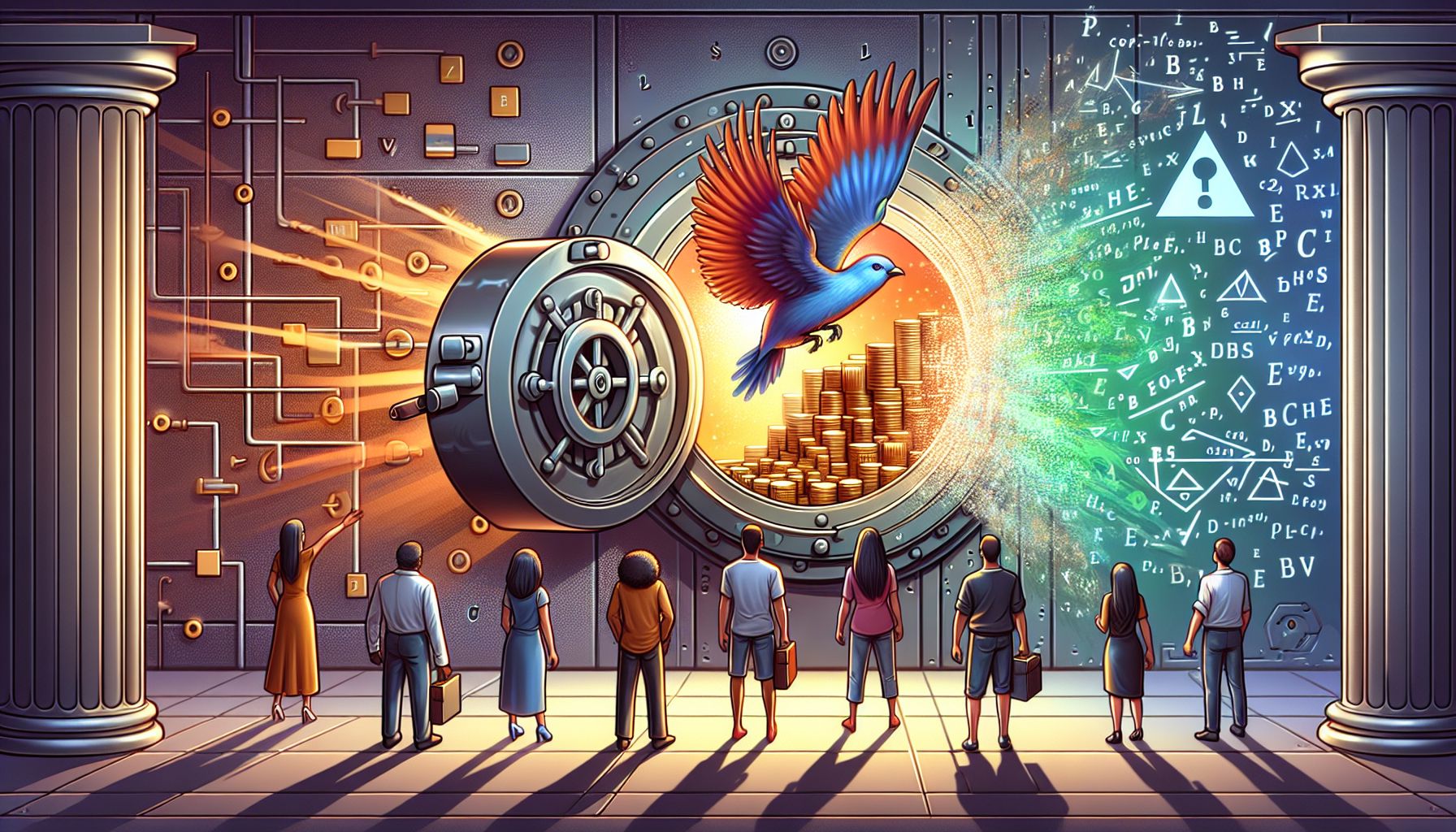
At the heart of DeFi are smart contracts, self-executing contracts with the terms of the agreement directly written into the code. They run on blockchain platforms such as Ethereum, ensuring transactions are transparent, traceable, and irreversible. This setup enhances security and reduces the risks associated with human error and fraud.
One of the significant advantages of DeFi is accessibility. Anyone with an internet connection can access DeFi platforms, bypassing regional and socioeconomic barriers that traditional banking institutions often impose. It opens up financial services to the unbanked and underbanked populations, which is revolutionary in promoting financial inclusion.
Furthermore, DeFi platforms offer higher yields on assets compared to traditional savings accounts. They achieve this through liquidity pools, where users can lend or pool their assets to facilitate trading and earn fees in the process. This approach to passive income is an attractive feature that draws many to DeFi.
However, DeFi doesn’t come without its challenges. The lack of regulation raises concerns about security and consumer protection. The technology is still nascent and sometimes suffers from high transaction fees and network congestion. Moreover, educating the masses about safely navigating the DeFi space remains an ongoing challenge.
Summary:
In conclusion, DeFi has already begun disrupting the traditional financial ecosystem. Its ability to offer open, permissionless, and transparent financial services has the potential to redefine the way we save, invest, and manage assets. While it’s still in its early stages and carries particular risks, DeFi holds considerable promise for those looking to take control of their financial future. As it continues to grow and mature, it may well be the key to unlocking an unprecedented era of financial freedom and innovation.